Navigating the Double Bind: How Qatar's Energy Sector Can Lead Through the Hormuz Crisis
Opening Perspective
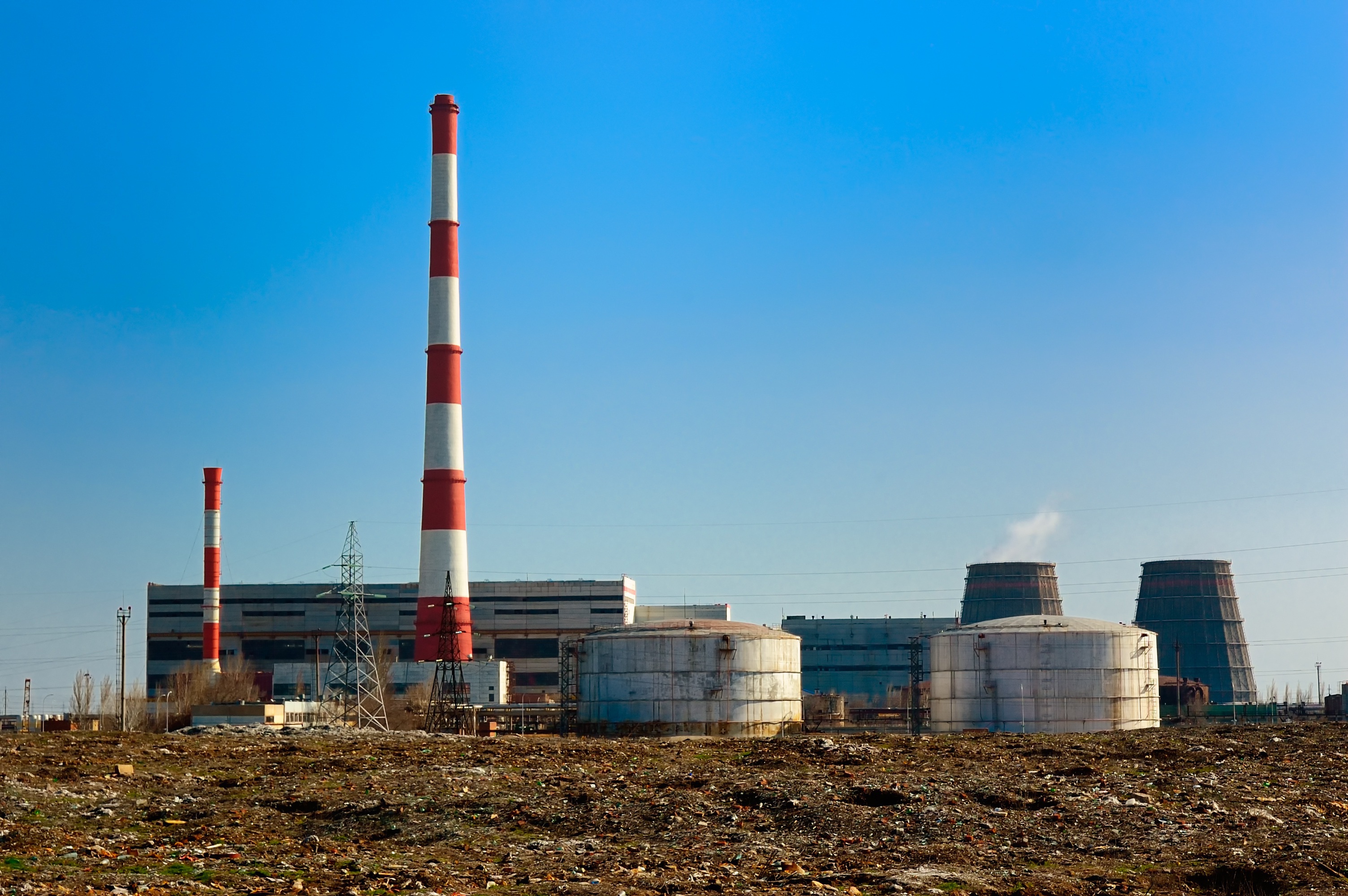
On 28 February 2026, a rapidly escalating geopolitical crisis in the Gulf led to the suspension of commercial navigation through the Strait of Hormuz and prompted QatarEnergy to temporarily halt LNG production at its Ras Laffan and Mesaieed Industrial City facilities. European natural gas futures moved sharply in response. The world is watching Qatar — and what Qatar's energy sector does in the weeks and months ahead will define its standing as a reliable, resilient, and responsible global energy partner for decades to come.
Qatar has spent years building a dual identity that few nations can claim: a world-leading LNG exporter and a nation genuinely committed to sustainability, bound by the ambitions of Qatar Vision 2030 and the emerging requirements of international ESG standards. This moment is not a threat to that identity. It is an opportunity to demonstrate what it means in practice — by navigating the current crisis with legal clarity, stakeholder transparency, and an unwavering forward-looking commitment to the frameworks that Qatar has chosen to champion.
Periods of regional uncertainty also test the resilience of states, institutions, and societies, revealing the true nature of leadership. Effective governance is measured not only by security preparedness but also by the ability to protect people, maintain stability, and respond with foresight, coordination, and compassion. Qatar's response to the current situation demonstrates how governments and their private-sector partners can balance preparedness with humanity while maintaining public confidence during times of heightened tension.
This article offers practical guidance for the sector — from MAS – Mashael Al Sulaiti Law Firm, which works daily alongside Qatar's energy and commercial community — on how to approach the legal obligations this crisis triggers, how to sustain ESG and sustainability commitments during a period of disruption, and how to emerge from this period as a stronger, more trusted, and more resilient energy leader.
|
Qatar has built its reputation on reliability and vision. This moment is an opportunity to demonstrate both — through how the sector responds, not just what it produces. |
I. UNDERSTANDING FORCE MAJEURE: A LEGAL ROADMAP FOR THE SECTOR
The invocation of force majeure by QatarEnergy across its long-term LNG contracts is a legally well-grounded and professionally appropriate response to the extraordinary circumstances now unfolding. Force majeure provisions exist in international energy contracts precisely for moments like this — to protect all parties when genuinely unforeseeable events make performance temporarily impossible, preserving the long-term relationships and commercial structures that benefit the entire global supply chain.
For Qatar's energy sector participants — operators, contractors, service providers, and traders — the priority right now is to approach force majeure not as a defensive posture but as a carefully managed legal process that protects rights, maintains trust, and positions all parties for a smooth and confident resumption of operations when conditions allow. This means attending to three immediate priorities with care and professionalism.
1. Notice Obligations
Most LNG sale and purchase agreements require force majeure notice within defined timeframes — typically 24 to 72 hours of the triggering event. Timely, well-documented notice is both a contractual obligation and an act of good faith toward counterparties who need accurate information to manage their own positions. Notices should be comprehensive, factually precise, and accompanied by all available supporting documentation of the triggering circumstances. This kind of transparent, professional communication strengthens rather than strains commercial relationships.
2. The Downstream Cascade
When QatarEnergy invokes force majeure with its buyers, those buyers may in turn need to invoke it with their own downstream counterparties — as Petronet LNG in India has already done, citing risks to maritime navigation through the Strait of Hormuz. Supporting counterparties through this process, sharing relevant factual documentation, and maintaining open communication channels is both commercially wise and reflects the kind of partnership that sustains long-term relationships through difficult periods. Qatar's counterparties are navigating the same extraordinary circumstances; helping them navigate well is part of what makes Qatar a partner of choice.
|
Force majeure is not the end of a contract — it is the mechanism that protects a long-term relationship through a temporary extraordinary event. How it is managed matters as much as whether it is invoked. |
3. Insurance Coordination
The reduction in commercial navigation through the Strait has prompted war risk exclusion clauses to be invoked by marine underwriters across the market. Charterers, owners, and cargo interests should immediately map their insurance coverage against their contractual positions, identify any gaps, and engage their brokers and legal counsel on contingency arrangements. Proactive coordination here will significantly reduce the scope of future disputes and demonstrate the sector's maturity and preparedness to international stakeholders.
II. GOVERNANCE AND LEADERSHIP DURING DISRUPTION
Qatar's response to the current regional developments offers a valuable governance model for the energy sector and its legal community alike. Responsible leadership during a crisis is defined not only by technical and contractual preparedness but by the human and institutional dimensions of how a state and its institutions respond.
A key priority has been protecting individuals affected by travel disruptions — facilitating the safe arrival and transit of travellers impacted by regional developments, extending visas, and coordinating with the hospitality sector to accommodate those unable to depart. Authorities have also provided support channels, including mental health services, recognising that security encompasses psychological as well as physical wellbeing. Qatar's long-term investments in food security and supply chain resilience have ensured the continued availability of essential goods, reinforcing public confidence.
These measures reflect a governance model that combines preparedness with pragmatism and security with compassion. Clear institutional communication — including guidance from the Ministry of Interior — has helped maintain public order, counter misinformation, and strengthen trust between government and the people it serves.
ESG Commitments: Sustaining the Momentum
Qatar's adoption of the International Sustainability Standards Board (ISSB) framework made it the first GCC nation to commit to international-standard sustainability disclosure. This leadership position becomes more important, not less, during a period of disruption. When production is temporarily suspended and the world's attention is on Hormuz, how Qatar's energy sector manages its ESG commitments and communications will be observed closely by international investors, regulators, and long-term partners.
The most empowering way to approach this period is to recognise that sustainability governance does not pause during a force majeure event — and that this continuity is a source of genuine competitive strength. ESG covenants embedded in long-term LNG contracts typically include ongoing measurement, reporting, and verification obligations that are operationally distinct from physical delivery requirements. Continuing to meet these obligations — or communicating transparently where temporary modifications are necessary and why — sends a clear signal to international stakeholders: Qatar's commitment to sustainability is structural and enduring, not conditional on favourable operating conditions.
For companies with obligations under Qatar's ISSB framework, the current period calls for particular attention to investor disclosure. International equity and debt investors need to understand how the current situation affects both financial performance and sustainability metrics — including carbon intensity data, emissions reporting, and progress against previously committed targets. Proactive, clear, and forward-looking investor communications that address both dimensions will protect market confidence and reinforce Qatar's standing as a trustworthy and sophisticated partner in the global energy transition.
There is also a genuine collaborative opportunity here. Qatar's LNG counterparties in Europe — operating under the EU Corporate Sustainability Due Diligence Directive — are required to conduct ongoing ESG due diligence on their supply chains, including during periods of disruption. By maintaining transparency, continuing ESG reporting where operationally possible, and proactively sharing information, Qatari energy companies can actively support their European partners' own compliance obligations. This transforms what might appear to be a compliance burden into a collaborative process that deepens and strengthens the partnership.
|
Sustainability leadership is demonstrated most powerfully not in easy times, but in how a nation's energy sector maintains its commitments and its voice when conditions are challenging. |
III. PRACTICAL STEPS FOR OPERATORS, INVESTORS, AND COUNSEL
For energy sector participants navigating this period, MAS recommends a structured approach across three timeframes.
Immediate Term — Next 14 Days
The priority is legal position clarity: a thorough review of all contracts potentially affected by the current situation, with specific attention to force majeure notice requirements, hardship provisions, governing law, dispute resolution mechanisms, and any ESG or sustainability annexures. This review should be conducted with legal counsel experienced in both Qatari law and the relevant international frameworks. Acting quickly and decisively on this foundation will give all parties the confidence to communicate clearly with their own stakeholders.
Medium Term — One to Three Months
The focus moves to stakeholder management and relationship preservation. Regular, transparent communication with counterparties, sharing factual updates on operational status, and engaging constructively with any questions or concerns will significantly reduce the risk of disputes and reinforce the commercial relationships that have taken years to build. Where disagreements do arise, early engagement and a preference for negotiated resolution over adversarial processes will serve the long-term interests of the entire sector. Qatar's energy relationships are strategic assets — and this is the moment to protect them through dialogue.
Looking Further Ahead — Structural Reform
This period presents an opportunity to develop and strengthen the contractual and regulatory frameworks that will govern Qatar's energy sector for the next generation. Operators and their legal advisers can begin designing how future long-term contracts might address geopolitical transit considerations — through clear force majeure language, robust hardship mechanisms, and energy security protocols that give all parties confidence and certainty. The international community will welcome this kind of proactive, forward-looking contract architecture from Qatar.
IV. BUILDING FORWARD — QATAR AS A MODEL FOR RESILIENT ENERGY LEADERSHIP
Every significant disruption in global energy markets has ultimately accelerated positive structural change. The oil shocks of the 1970s deepened energy diversification strategies worldwide. More recent crises have accelerated the global transition toward cleaner energy sources. The current situation carries within it the same potential for positive transformation — and Qatar is exceptionally well positioned to lead that transformation, rather than simply respond to it.
Qatar's existing commitments to renewable energy — including QatarEnergy's targets for 2 to 4 GW of renewable capacity by 2030 and carbon intensity reductions in LNG production — provide the ideal foundation for a strengthened message to global markets. Reaffirming and where possible accelerating progress against these commitments during the current period will demonstrate that Qatar's sustainability agenda is resilient and genuine. This is the kind of signal that shapes long-term investor relationships and opens doors to the next generation of energy partnerships.
Qatar's legal and regulatory community has a parallel opportunity to develop world-leading frameworks for ESG governance during geopolitical disruption — contract language, regulatory guidance, and reporting standards that address the intersection of force majeure and sustainability obligations in ways that no jurisdiction has yet comprehensively resolved. Becoming the jurisdiction that leads this legal innovation would reinforce Qatar's position as a sophisticated, internationally trusted energy law hub, and would give Qatar's contracts a quality and clarity that counterparties around the world will actively seek out.
In times of uncertainty, resilient institutions and thoughtful leadership are essential to preserving stability. Transparent communication, good-faith engagement with counterparties, continued commitment to sustainability reporting, and a constructive approach to the legal and commercial challenges ahead — these are the actions that will define Qatar's reputation not just for the duration of this crisis, but for the generation of energy relationships that follows.
|
The world does not just need Qatar's LNG. It needs Qatar's leadership — and this is the moment to provide it with confidence and clarity. |
About MAS – Mashael Al Sulaiti Law Firm
MAS – Mashael Al Sulaiti Law Firm is a Doha-based law firm with dedicated practices in Energy and Natural Resources Law, Regulatory and Compliance, Environmental Law, and International Arbitration. The firm advises clients across Qatar's energy, infrastructure, and commercial sectors, supporting them in aligning legal strategy with Qatar Vision 2030 and international best practice.