Navigating the Hormuz Crisis: Key Legal Lessons for Qatar's Energy Sector
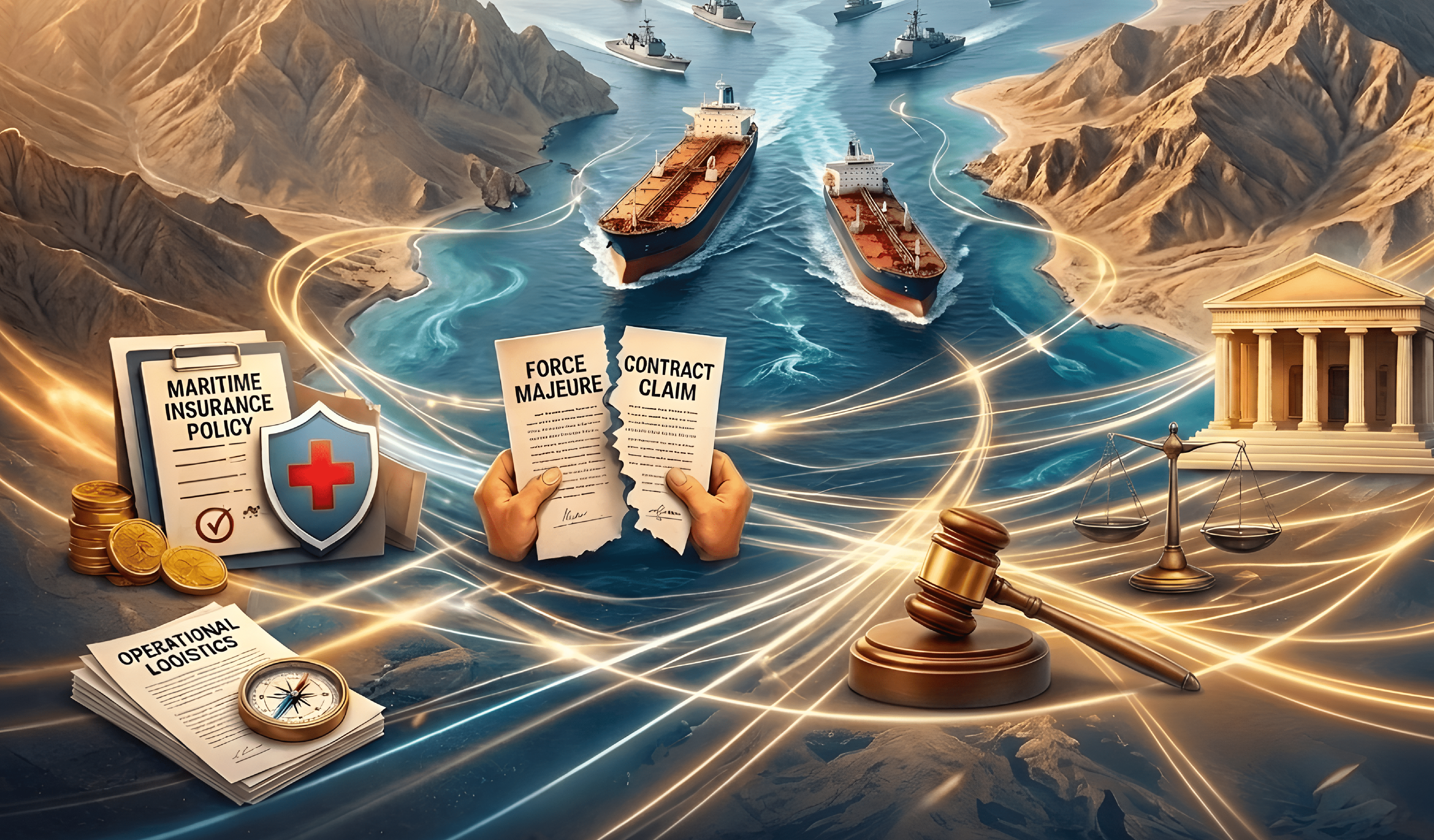
Navigating the Hormuz Crisis: Key Legal Lessons for Qatar's Energy Sector
The suspension of commercial navigation through the Strait of Hormuz has highlighted the complex legal and commercial challenges facing energy-sector stakeholders across the region.
In a recent publication featured in Lexis Middle East, Mashael Al Sulaiti Law Firm examines the contractual, regulatory, and governance implications of the crisis and provides practical guidance for operators, investors, counsel, and policymakers.
Key Takeaways
1. Force Majeure Requires More Than a Declaration
Successful force majeure claims depend on contractual wording, governing law, causation, mitigation efforts, and timely notice obligations.
2. Documentation Is Critical
Every operational decision, counterparty communication, and mitigation measure should be recorded and preserved. Future disputes will rely heavily on contemporaneous evidence.
3. Arbitration Readiness Matters
Many energy contracts provide for international arbitration. Businesses should ensure that notices, records, and communications are prepared with potential dispute resolution proceedings in mind.
4. Sanctions Risks Operate Independently
Even where contractual performance remains possible, sanctions, banking restrictions, and insurance requirements can significantly affect operations and commercial relationships.
5. ESG and Governance Are Strategic Assets
Organizations must evaluate whether disruptions create disclosure obligations under sustainability and governance frameworks. Transparent reporting can strengthen stakeholder confidence during periods of uncertainty.
Looking Ahead
The Hormuz crisis demonstrates that resilience is not solely an operational challenge—it is also a legal and governance challenge. Organizations that combine sound contractual management, strong governance structures, and proactive communication will be best positioned to navigate future disruptions.
Read the full article here: https://mas.com.qa/storage/files/1/Navigating-the-Double-Bind-How-Qatar-Energy-Sector-Can-Lead-Through-the-Hormuz-Crisis.pdf
Recent News
- H.H. the Amir Issues Landmark Amendments to the Civil Human Resources Law to Strengthen Incentives and Government Excellence
- تطور تشريعي يعيد رسم ملامح مهنة المحاماة في دولة قطر: أبرز ملامح التعديلات الواردة بالقانون رقم (19) لسنة 2025
- A New Era for Qatar’s Legal Profession: Key Reforms Under Law No. 19 of 2025